I'm Benjamin Maggi
A Technical Lead and Builder of Systems that actually work.
From tuning mission-critical UNIX infrastructure at IBM to wiring together AI-powered workflows today, I've spent two decades turning complex technology into something reliable, secure, and ready to grow.
Professional Journey
IBM
2004-2010
UNIX Solutions Architect & SME
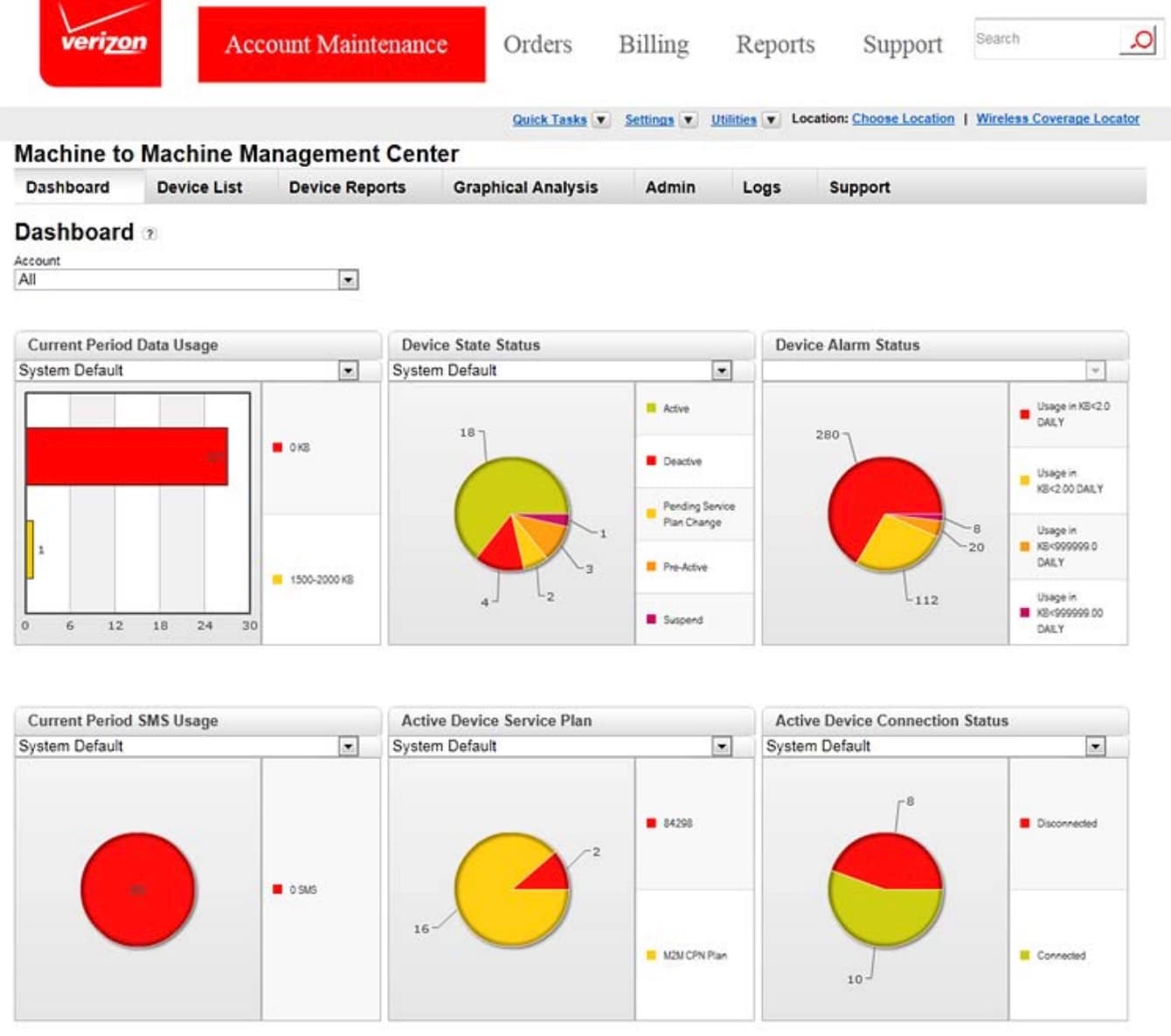
At IBM, I worked as a UNIX systems architect and subject matter expert during the final golden era of large-scale, on-premise infrastructure — before the cloud reshaped everything. I designed and validated AIX-based reference architectures for global data centers, contributed to disaster recovery planning, and assisted domain architects across regions with LPAR and HACMP high-availability solutions. I delivered technical presentations to C-level clients, collaborated on platform and farm-level infrastructure design, and built automation tooling in Bash to support data migration, validation, and remote system recovery. I also mentored both local and offshore staff, helping build resilient teams alongside resilient systems. These were high-responsibility roles in mission-critical environments — long hours, weekend deployments, and global travel included. The compensation was modest, but the experience was profound. I saw how physical infrastructure could be tamed, automated, and abstracted — lessons that still inform my architecture decisions today, even in the cloud-native world.


IBM
2004-2010
UNIX Solutions Architect & SME
At IBM, I worked as a UNIX systems architect and subject matter expert during the final golden era of large-scale, on-premise infrastructure — before the cloud reshaped everything. I designed and validated AIX-based reference architectures for global data centers, contributed to disaster recovery planning, and assisted domain architects across regions with LPAR and HACMP high-availability solutions. I delivered technical presentations to C-level clients, collaborated on platform and farm-level infrastructure design, and built automation tooling in Bash to support data migration, validation, and remote system recovery. I also mentored both local and offshore staff, helping build resilient teams alongside resilient systems. These were high-responsibility roles in mission-critical environments — long hours, weekend deployments, and global travel included. The compensation was modest, but the experience was profound. I saw how physical infrastructure could be tamed, automated, and abstracted — lessons that still inform my architecture decisions today, even in the cloud-native world.

Socialmetrix
2010-2013
Lead Frontend Developer
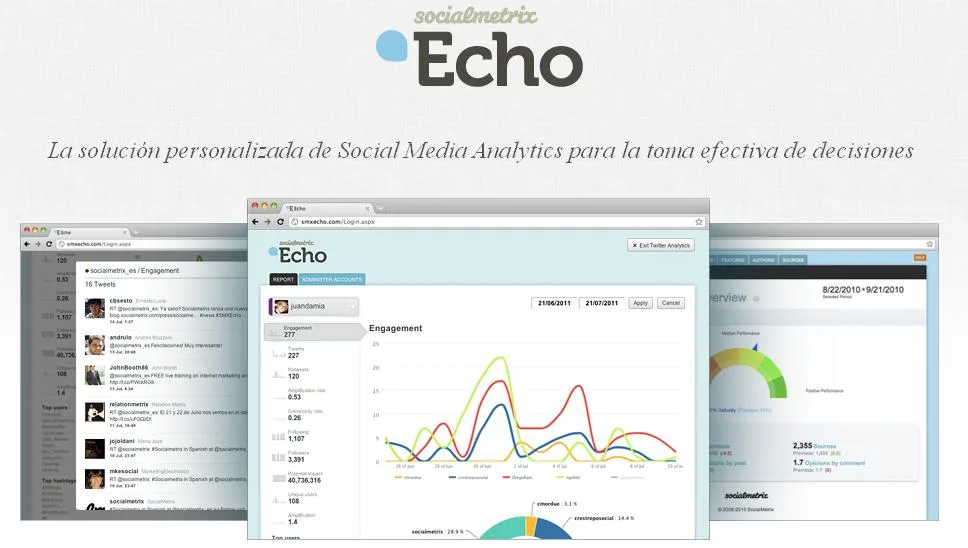
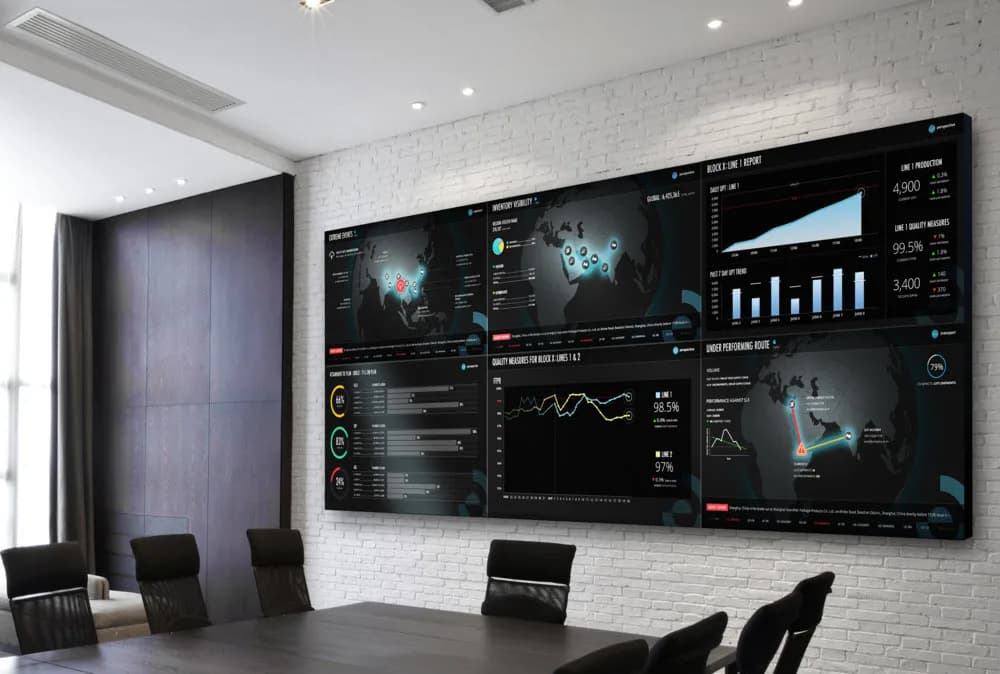
At Socialmetrix, I led frontend development for analytics and data visualization platforms at a time when the concept of the “dashboard” was just emerging as a core product category. I designed and built highly customized SPAs using early frontend frameworks and raw D3.js for interactive data visualizations, integrating APIs from social platforms like Facebook and Twitter to provide clients with real-time social media sentiment, ad spend analysis, and campaign performance metrics. I owned the full product lifecycle of key applications (Quantum™, Echo™), from requirements capture to production deployment, while mentoring junior devs and helping define agile processes and tooling. I collaborated cross-functionally with ML researchers and backend teams to bring high-volume data to life with compelling UI — long before BI dashboards were mainstream. These were the formative years of the JavaScript boom, and I was fortunate to be in the middle of it: attending and hosting meetups, collaborating with early community leaders, and witnessing the rise of frontend as a first-class discipline. At Socialmetrix, I led frontend development for analytics and data visualization platforms at a time when the concept of the “dashboard” was just emerging as a core product category. I designed and built highly customized SPAs using early frontend frameworks and raw D3.js for interactive data visualizations, integrating APIs from social platforms like Facebook and Twitter to provide clients with real-time social media sentiment, ad spend analysis, and campaign performance metrics. I owned the full product lifecycle of key applications (Quantum™, Echo™), from requirements capture to production deployment, while mentoring junior devs and helping define agile processes and tooling. I collaborated cross-functionally with ML researchers and backend teams to bring high-volume data to life with compelling UI — long before BI dashboards were mainstream. These were the formative years of the JavaScript boom, and I was fortunate to be in the middle of it: attending and hosting meetups, collaborating with early community leaders, and witnessing the rise of frontend as a first-class discipline.

Socialmetrix
2010-2013
Lead Frontend Developer
At Socialmetrix, I led frontend development for analytics and data visualization platforms at a time when the concept of the “dashboard” was just emerging as a core product category. I designed and built highly customized SPAs using early frontend frameworks and raw D3.js for interactive data visualizations, integrating APIs from social platforms like Facebook and Twitter to provide clients with real-time social media sentiment, ad spend analysis, and campaign performance metrics. I owned the full product lifecycle of key applications (Quantum™, Echo™), from requirements capture to production deployment, while mentoring junior devs and helping define agile processes and tooling. I collaborated cross-functionally with ML researchers and backend teams to bring high-volume data to life with compelling UI — long before BI dashboards were mainstream. These were the formative years of the JavaScript boom, and I was fortunate to be in the middle of it: attending and hosting meetups, collaborating with early community leaders, and witnessing the rise of frontend as a first-class discipline. At Socialmetrix, I led frontend development for analytics and data visualization platforms at a time when the concept of the “dashboard” was just emerging as a core product category. I designed and built highly customized SPAs using early frontend frameworks and raw D3.js for interactive data visualizations, integrating APIs from social platforms like Facebook and Twitter to provide clients with real-time social media sentiment, ad spend analysis, and campaign performance metrics. I owned the full product lifecycle of key applications (Quantum™, Echo™), from requirements capture to production deployment, while mentoring junior devs and helping define agile processes and tooling. I collaborated cross-functionally with ML researchers and backend teams to bring high-volume data to life with compelling UI — long before BI dashboards were mainstream. These were the formative years of the JavaScript boom, and I was fortunate to be in the middle of it: attending and hosting meetups, collaborating with early community leaders, and witnessing the rise of frontend as a first-class discipline.
SecurityScorecard
2013-2014
Frontend Developer
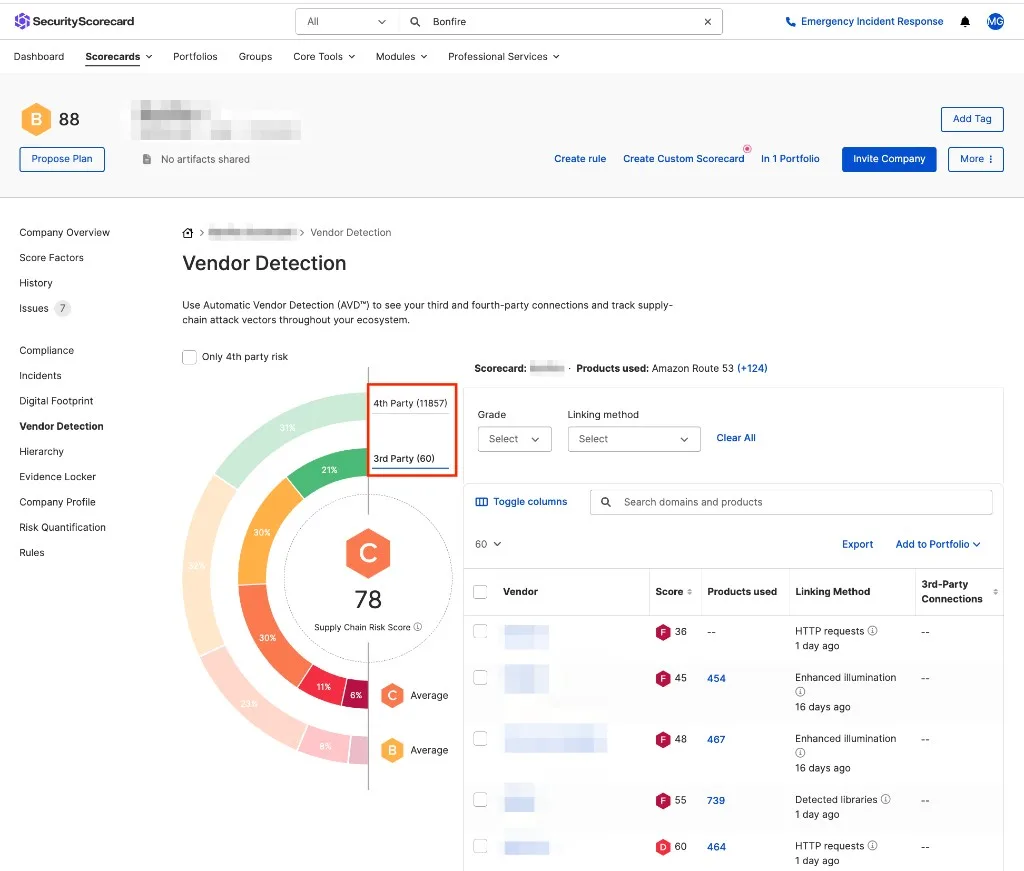
At SecurityScorecard, I focused on frontend development for the platform that helps organizations monitor supply chain and third-party cyber risk — building the dashboards security teams use to score vendors, surface issues, and act on exposure across their ecosystem. Most of my work centered on dashboard design and implementation: dense data views, scorecards, filters, and visualizations that had to stay legible when thousands of vendors and signals were in play. I was also deeply involved in a large migration from CoffeeScript to Angular — moving legacy UI to a structured framework while keeping releases shippable and the product stable for customers who relied on it daily. That stretch sharpened how I think about enterprise frontends: performance with big tables, consistent patterns across modules, and migrations where incremental delivery matters as much as the target architecture.


SecurityScorecard
2013-2014
Frontend Developer
At SecurityScorecard, I focused on frontend development for the platform that helps organizations monitor supply chain and third-party cyber risk — building the dashboards security teams use to score vendors, surface issues, and act on exposure across their ecosystem. Most of my work centered on dashboard design and implementation: dense data views, scorecards, filters, and visualizations that had to stay legible when thousands of vendors and signals were in play. I was also deeply involved in a large migration from CoffeeScript to Angular — moving legacy UI to a structured framework while keeping releases shippable and the product stable for customers who relied on it daily. That stretch sharpened how I think about enterprise frontends: performance with big tables, consistent patterns across modules, and migrations where incremental delivery matters as much as the target architecture.

Pager Health
2014-2015
Backend Architect
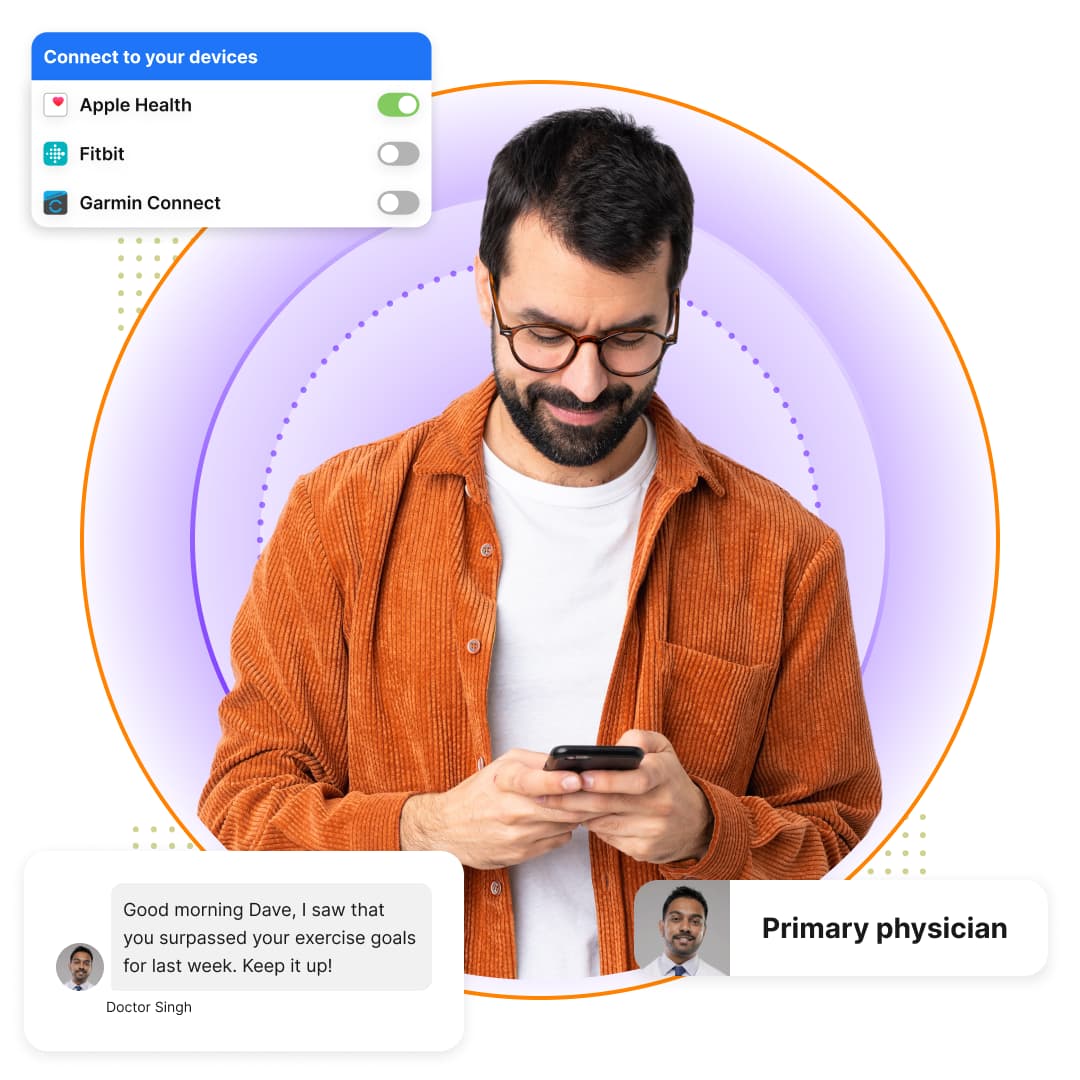
At Pager Health (then Pager), I served as backend architect for a digital health platform that guided members through care navigation on mobile and other channels. I designed event-driven architectures with decoupled services so clinical workflows, messaging, and integrations could evolve independently without tight coupling. I built and extended multiple notification pipelines driven by sensor and device data — alerting members and care teams when thresholds, adherence patterns, or operational events required action. The work spanned orchestration across several notification subsystems, reliable delivery semantics, and backends that had to stay responsive under real-world health traffic. That period grounded my approach to distributed systems: explicit boundaries between services, async handoffs over synchronous chains, and platforms where reliability and clarity matter as much as feature velocity.

Pager Health
2014-2015
Backend Architect
At Pager Health (then Pager), I served as backend architect for a digital health platform that guided members through care navigation on mobile and other channels. I designed event-driven architectures with decoupled services so clinical workflows, messaging, and integrations could evolve independently without tight coupling. I built and extended multiple notification pipelines driven by sensor and device data — alerting members and care teams when thresholds, adherence patterns, or operational events required action. The work spanned orchestration across several notification subsystems, reliable delivery semantics, and backends that had to stay responsive under real-world health traffic. That period grounded my approach to distributed systems: explicit boundaries between services, async handoffs over synchronous chains, and platforms where reliability and clarity matter as much as feature velocity.
Elementum
2016-2018
Technical Lead
At Elementum, I led the development of data-driven applications focused on operational efficiency and supply chain visibility. I built and scaled a full-stack engineering team from the ground up, driving both technical execution and team growth through mentoring, code reviews, and clear development workflows. As the primary technical liaison for Product, I partnered closely with PMs and business stakeholders to translate complex requirements into performant, scalable features. I championed the use of modern frameworks (React, Angular, Node.js) and event-driven architectures (Kafka, MongoDB) to deliver robust, enterprise-grade solutions. I emphasized precise execution and ownership across the team — fostering a culture of accountability, innovation, and continuous improvement.


Elementum
2016-2018
Technical Lead
At Elementum, I led the development of data-driven applications focused on operational efficiency and supply chain visibility. I built and scaled a full-stack engineering team from the ground up, driving both technical execution and team growth through mentoring, code reviews, and clear development workflows. As the primary technical liaison for Product, I partnered closely with PMs and business stakeholders to translate complex requirements into performant, scalable features. I championed the use of modern frameworks (React, Angular, Node.js) and event-driven architectures (Kafka, MongoDB) to deliver robust, enterprise-grade solutions. I emphasized precise execution and ownership across the team — fostering a culture of accountability, innovation, and continuous improvement.

Lisk
2018-2019
FullStack Web3 Developer
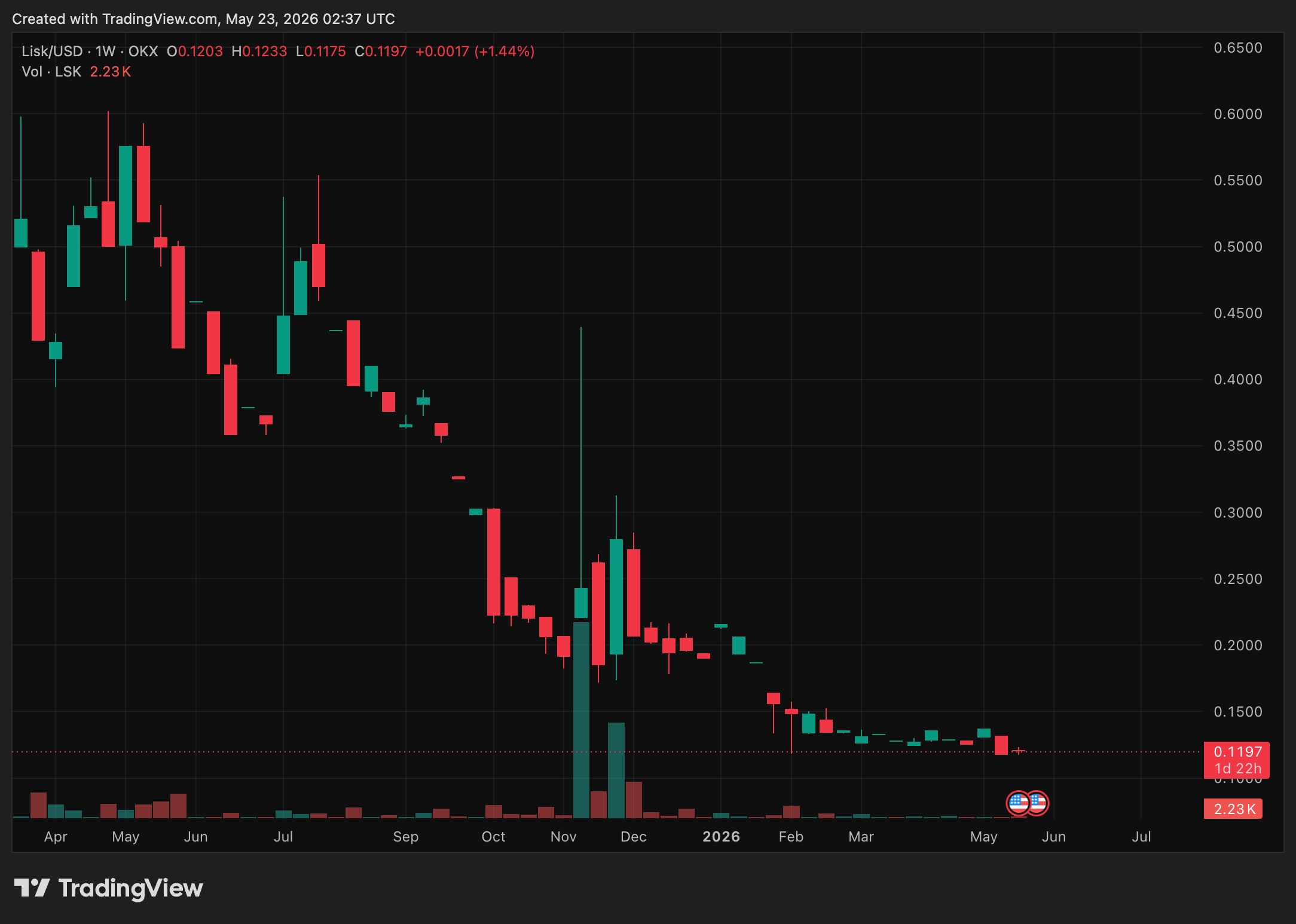
As part of the core team at Lisk, I led frontend development for the official Lisk Wallet — the first platform enabling cross-token swaps with assets like Bitcoin and Ethereum. This was at a time when interoperability in Web3 was still cutting-edge. I contributed to the design and implementation of Lisk’s native Web3 desktop platform, built with Electron, React, Redux, and Redux-Sagas, providing secure and intuitive access to the Lisk ecosystem. My work laid the foundation for Lisk’s multi-asset strategy and helped shape one of the earliest user-facing tools for interacting with a major blockchain network.

Lisk
2018-2019
FullStack Web3 Developer
As part of the core team at Lisk, I led frontend development for the official Lisk Wallet — the first platform enabling cross-token swaps with assets like Bitcoin and Ethereum. This was at a time when interoperability in Web3 was still cutting-edge. I contributed to the design and implementation of Lisk’s native Web3 desktop platform, built with Electron, React, Redux, and Redux-Sagas, providing secure and intuitive access to the Lisk ecosystem. My work laid the foundation for Lisk’s multi-asset strategy and helped shape one of the earliest user-facing tools for interacting with a major blockchain network.
Onapsis
2019-2021
Software Engineer
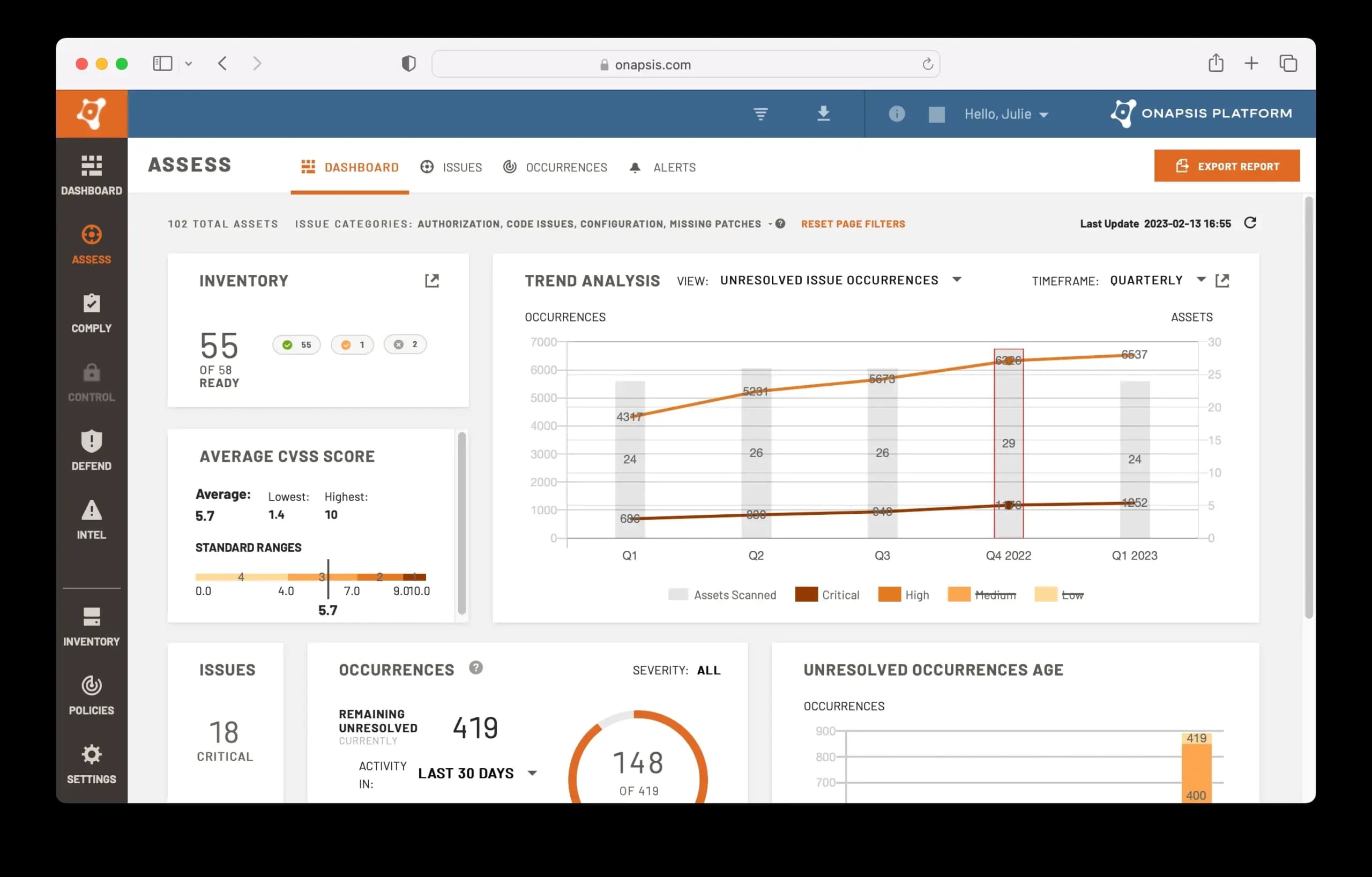
At Onapsis, I worked as a senior frontend engineer on a cybersecurity SaaS platform focused on detecting and patching vulnerabilities in enterprise SAP systems. I contributed to the design and development of core features using React, Next.js, TypeScript, and Storybook, including an interactive dashboard and a high-impact security update tool that helped customers schedule downtime for critical zero-day patches. I collaborated closely with research and backend teams to deliver reliable, user-friendly UIs in a high-stakes security environment. Our customers included major institutions like the U.S. Army and Fortune 500 companies — where stability, clarity, and performance were non-negotiable. This role deepened my experience in design systems, data visualization, and working in cross-functional teams at scale. It also gave me insight into how enterprise cybersecurity operates at the intersection of research, compliance, and real-world impact.


Onapsis
2019-2021
Software Engineer
At Onapsis, I worked as a senior frontend engineer on a cybersecurity SaaS platform focused on detecting and patching vulnerabilities in enterprise SAP systems. I contributed to the design and development of core features using React, Next.js, TypeScript, and Storybook, including an interactive dashboard and a high-impact security update tool that helped customers schedule downtime for critical zero-day patches. I collaborated closely with research and backend teams to deliver reliable, user-friendly UIs in a high-stakes security environment. Our customers included major institutions like the U.S. Army and Fortune 500 companies — where stability, clarity, and performance were non-negotiable. This role deepened my experience in design systems, data visualization, and working in cross-functional teams at scale. It also gave me insight into how enterprise cybersecurity operates at the intersection of research, compliance, and real-world impact.
Salesforce
2021-2022
SMTS Software Engineer
At Salesforce, I worked on the Salesforce CLI, an open-source developer tool used to manage and automate Salesforce orgs at scale. I contributed to core features like scratch org management, data import/export, and testing flows, all built in TypeScript. I was part of a high-caliber team of engineers working in a deeply technical, documentation-heavy environment driven by GitOps, style enforcement, and automation. My work helped maintain stability across complex release pipelines while the team transitioned away from legacy tooling like Lerna and toward more modular, future-proof architectures. This role gave me a front-row seat to how massive developer tooling projects evolve — how priorities shift, how teams navigate complexity, and how not every problem is technical. I walked away with sharpened skills in code quality, dev experience, and the soft signals of when an ecosystem is nearing a shift.
Salesforce
2021-2022
SMTS Software Engineer
At Salesforce, I worked on the Salesforce CLI, an open-source developer tool used to manage and automate Salesforce orgs at scale. I contributed to core features like scratch org management, data import/export, and testing flows, all built in TypeScript. I was part of a high-caliber team of engineers working in a deeply technical, documentation-heavy environment driven by GitOps, style enforcement, and automation. My work helped maintain stability across complex release pipelines while the team transitioned away from legacy tooling like Lerna and toward more modular, future-proof architectures. This role gave me a front-row seat to how massive developer tooling projects evolve — how priorities shift, how teams navigate complexity, and how not every problem is technical. I walked away with sharpened skills in code quality, dev experience, and the soft signals of when an ecosystem is nearing a shift.
Naranja X
2022-2023
Tech Lead - Payment Protection
As Technical Lead for Payment Protection at NaranjaX, I was responsible for safeguarding millions in real-time transactions across multiple payment channels. My team developed and maintained a high-throughput, serverless fraud detection system using AWS Lambda, SNS/SQS, DynamoDB, and OpenSearch, with multiple AI models running in production to flag suspicious activity. Beyond technical ownership, I ensured compliance with strict regulatory standards, particularly in executing cashback transactions without error or exposure. I also led efforts to automate high-ticket fraud detection using AI, which significantly reduced operational overhead and reshaped internal fraud ops. The pressure was intense, the systems critical — but we delivered. I built the tools that tracked every cent, launched new services, and held the line when it came to reliability, visibility, and scalability.


Naranja X
2022-2023
Tech Lead - Payment Protection
As Technical Lead for Payment Protection at NaranjaX, I was responsible for safeguarding millions in real-time transactions across multiple payment channels. My team developed and maintained a high-throughput, serverless fraud detection system using AWS Lambda, SNS/SQS, DynamoDB, and OpenSearch, with multiple AI models running in production to flag suspicious activity. Beyond technical ownership, I ensured compliance with strict regulatory standards, particularly in executing cashback transactions without error or exposure. I also led efforts to automate high-ticket fraud detection using AI, which significantly reduced operational overhead and reshaped internal fraud ops. The pressure was intense, the systems critical — but we delivered. I built the tools that tracked every cent, launched new services, and held the line when it came to reliability, visibility, and scalability.

Frávega
2023-2025
Technical Lead
As Technical Lead at Frávega, I own the engineering direction behind one of Argentina's highest-traffic retail storefronts — from product discovery and merchandising through checkout, post-purchase, and the integrations that keep inventory, pricing, and fulfillment aligned with what customers see online. I lead cross-functional squads shipping on a modern stack (Next.js, NestJS) organized as micro-frontends via Module Federation, so teams can deploy independently without breaking the shared customer journey. That architecture matters when campaigns spike traffic: we optimize for Core Web Vitals, cache aggressively, and design releases so peak-season launches do not become peak-season incidents. Beyond the storefront, I connect commerce to the rest of the business — CRM workflows, operational automations with N8N, and AI-assisted tooling for search, support, and internal productivity. I set technical standards, unblock engineers in code review and design discussions, and translate commercial priorities (conversion, reliability, time-to-market) into concrete backlog and platform investments. The role sits at the intersection of retail scale and product craft: millions of sessions, real money at checkout, and the expectation that the site feels fast, trustworthy, and easy to buy from — every day, not only on sale days.

Frávega
2023-2025
Technical Lead
As Technical Lead at Frávega, I own the engineering direction behind one of Argentina's highest-traffic retail storefronts — from product discovery and merchandising through checkout, post-purchase, and the integrations that keep inventory, pricing, and fulfillment aligned with what customers see online. I lead cross-functional squads shipping on a modern stack (Next.js, NestJS) organized as micro-frontends via Module Federation, so teams can deploy independently without breaking the shared customer journey. That architecture matters when campaigns spike traffic: we optimize for Core Web Vitals, cache aggressively, and design releases so peak-season launches do not become peak-season incidents. Beyond the storefront, I connect commerce to the rest of the business — CRM workflows, operational automations with N8N, and AI-assisted tooling for search, support, and internal productivity. I set technical standards, unblock engineers in code review and design discussions, and translate commercial priorities (conversion, reliability, time-to-market) into concrete backlog and platform investments. The role sits at the intersection of retail scale and product craft: millions of sessions, real money at checkout, and the expectation that the site feels fast, trustworthy, and easy to buy from — every day, not only on sale days.
PictoCripto
2024-2025
Founder & Core Developer
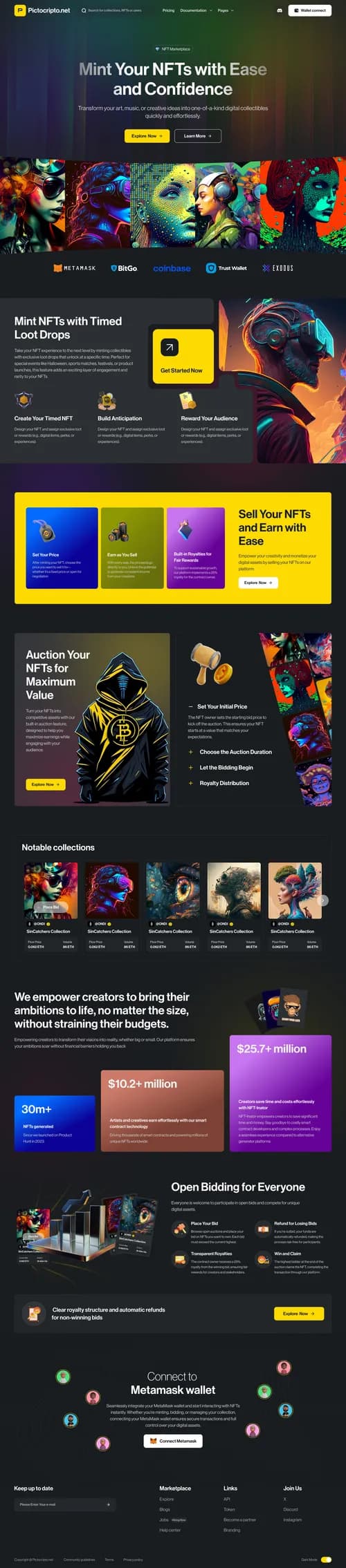
I lead the architecture, design, and implementation of monetization protocol that merges AI-generated art with decentralized ownership. I oversee the Web3 development across a modern stack using Next.js, NestJS, PostgreSQL, and Solidity. I also drive the product vision, coordinate feature rollouts, and explore novel ways to monetize AI-generated digital assets through compute resale, dynamic reward systems, and NFT-driven incentives. As the core developer and strategist, I bridge the gap between creators, collectors, and investors—shaping PictoCripto into a scalable platform and a plug-and-play solution for the future of AI x blockchain.


PictoCripto
2024-2025
Founder & Core Developer
I lead the architecture, design, and implementation of monetization protocol that merges AI-generated art with decentralized ownership. I oversee the Web3 development across a modern stack using Next.js, NestJS, PostgreSQL, and Solidity. I also drive the product vision, coordinate feature rollouts, and explore novel ways to monetize AI-generated digital assets through compute resale, dynamic reward systems, and NFT-driven incentives. As the core developer and strategist, I bridge the gap between creators, collectors, and investors—shaping PictoCripto into a scalable platform and a plug-and-play solution for the future of AI x blockchain.

xAI
2026 (5 months)
Software Engineering Specialist
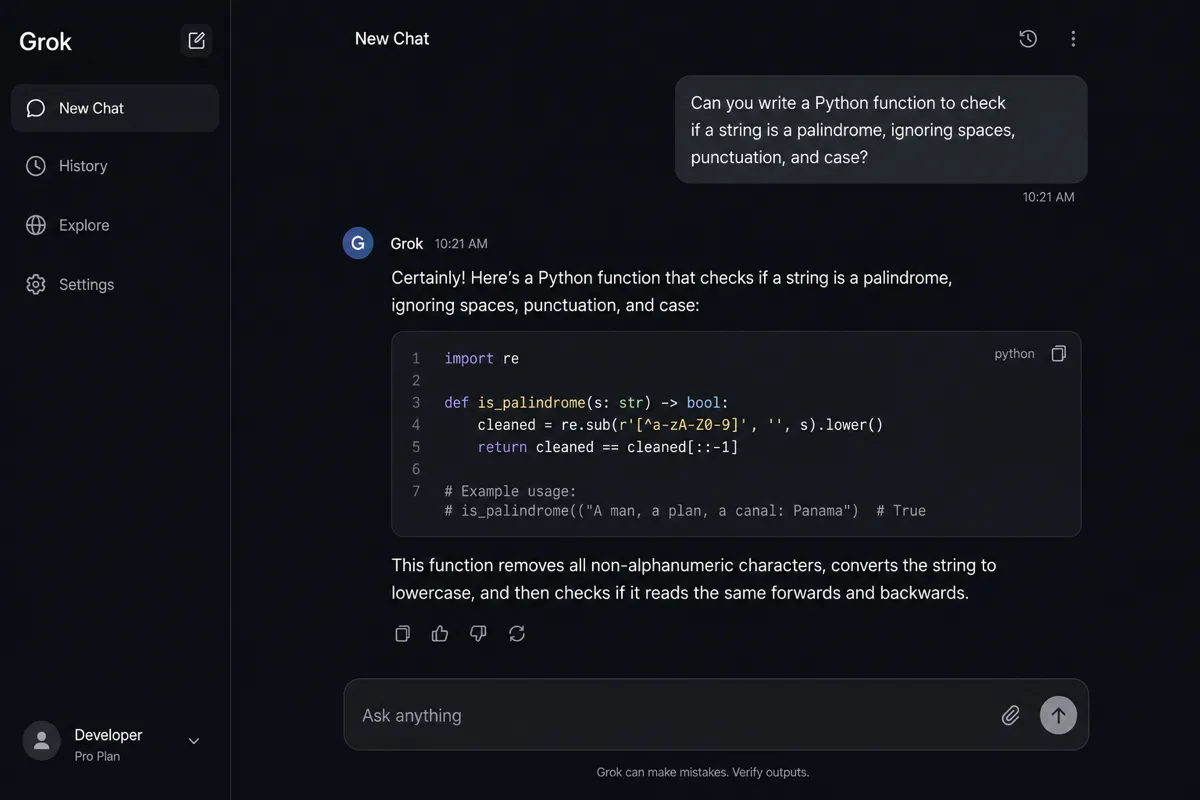
At xAI, I joined as a Software Engineering Specialist on the AI Tutor team, contributing directly to model-training initiatives for coding assistants. The mandate aligned with the public role description: curate high-quality code examples, evaluate and refine AI-generated solutions, and raise outputs to enterprise-grade standards for efficiency, scalability, and reliability across languages I have shipped in production for years. Day to day, the work sat at the intersection of senior engineering judgment and training-data quality—rigorous review, precise corrections, and iteration on what frontier models learn from, rather than owning a long-lived product surface. I collaborated with cross-functional partners in a flat, mission-driven organization building some of the most visible AI systems in the world. After five months, I made the decision to move on. Priorities and workstreams shifted often in a very fast-moving environment, and the scope had drifted further toward data curation and annotation than sustained hands-on software engineering. That pace is not unusual at a company scaling as aggressively as xAI, but it was not the balance I wanted for my next chapter. I still value the stint deeply. Working inside one of the largest AI labs on the planet sharpened how I think about code quality at scale, what “good enough” means for model training, and how coding agents are pressured before they reach products like Grok. The experience continues to inform how I design agentic workflows and evaluate AI tooling in my own builds.

xAI
2026 (5 months)
Software Engineering Specialist
At xAI, I joined as a Software Engineering Specialist on the AI Tutor team, contributing directly to model-training initiatives for coding assistants. The mandate aligned with the public role description: curate high-quality code examples, evaluate and refine AI-generated solutions, and raise outputs to enterprise-grade standards for efficiency, scalability, and reliability across languages I have shipped in production for years. Day to day, the work sat at the intersection of senior engineering judgment and training-data quality—rigorous review, precise corrections, and iteration on what frontier models learn from, rather than owning a long-lived product surface. I collaborated with cross-functional partners in a flat, mission-driven organization building some of the most visible AI systems in the world. After five months, I made the decision to move on. Priorities and workstreams shifted often in a very fast-moving environment, and the scope had drifted further toward data curation and annotation than sustained hands-on software engineering. That pace is not unusual at a company scaling as aggressively as xAI, but it was not the balance I wanted for my next chapter. I still value the stint deeply. Working inside one of the largest AI labs on the planet sharpened how I think about code quality at scale, what “good enough” means for model training, and how coding agents are pressured before they reach products like Grok. The experience continues to inform how I design agentic workflows and evaluate AI tooling in my own builds.
2026
We have arrived at the present. Now it's time to shape the future together. If you want to bounce an idea off me, talk about a project, or just want to grab a coffee, contact me! You can be part of my story!
What colleagues say
Recommendations from people I've worked with over the years.

Sr Software Engineer @ Mercado Libre
June 2020I have worked with Benjamin in the same team at Onapsis Brave Project. During that period of time, he has shown solid technical knowledges, responsibility and good fellowship. His main objective and skill is to deliver functionalities in time. It was a pleasure to work with him.

AI Product Leader
October 2016Benjamin is one of the most phenomenal engineers I have worked with. He has a very firm grasp in backend engineering and is very passionate about what he does. A very effective communicator, he will definitely prove to be a valuable asset wherever he goes.

Senior Javascript Engineer at Clevertech
October 2014Benjamín es una persona muy pragmática a la hora de resolver problemas, es muy sociable y siempre está actualizado con las últimas tecnologías web.

System Architect & Technical Program Manager
May 2014Benjamin did not fail me a single time. Insightful developer, understands complex matters even when outside of his direct area of expertise. It's a pleasure working with him as he is a loyal programmer. If you need a professional to do a job, make sure you have Benjamin doing that job.

Sr. Principal iOS Engineer
August 2013Benjamin is a very professional programmer with a solid knowledge of web development and Javascript. He is a great person to work with as he is always having new ideas which strengthen the whole team. I would definitely hire him or recommend him for any work team as he is a very productive programmer as well as an excellent colleague.

Senior Project Manager | Globant Enterprise AI
February 2011I had the pleasure to lead Benjamin and he is the kind of profile I always want in my teams. He will always deliver whatever is expected and will provide added value in any case. He's very proactive, open to face becoming challenges and very ingenious at time to implement and develop solution to them.

Freelance designer
February 2011gran trabajador en equipo, el mejor y mas rapido programador que conozco, un placer trabajar con benja siempre. cumplidor como pocos.

Information Security Professional
August 2010Benjamin is a fantastic person to work with. Always willing to share his knowledge with the team. He always has the right solution for any Unix related issue. His high technical knowledge makes Benjamin a really valuable asset to the team. I can highly recommend working with him.

One man band / Hombre orquesta
July 2010Benjamin is one of the best professionals I had the pleasure to work with. He is between the best on his field, but Unix administration is not the only area where he excels. He is also a wizard of microelectronics (amongst other things), and has great passion for everything that represents a challenge. He's also a great team player and an excellent person. I highly recommend him!

Systems Developer Engineer / SRE
July 2010I have the pleasure of working with Benjamin because it is an excellent companion, never say no if a friend needs help. Benjamin has extensive knowledge in UNIX, aix, more specifically, their knowledge goes beyond the empirical, always looking for the right solutions. He also has the view from the development side, so you can address problems from different points. A excelent person and co-worker.

Technical Product Manager - Platform Engineering @ SumUp
July 2010Benjamin is a great guy and I'm very happy to have worked with him, always supporting the team and able to work very efficiently even when things go south.
Originally published on LinkedIn